
Memphis Tree Stump Removal & Stump Grinding: What Homeowners Need to Know
Memphis tree stump removal takes two forms: grinding, which uses a cutting wheel to chip the stump several inches below ground level, and full extraction, which pulls out the stump and root plate. Grinding leaves a mulch-filled depression you can sod or replant. Extraction leaves a larger hole that needs fill dirt.
Stumps don't disappear quietly here. Our humid Mid-South soil keeps decaying wood damp for years, and damp wood is an open invitation to termites, carpenter ants, beetles, and fungi. A stump sitting 15 feet from your foundation becomes a feeding station within easy reach of your home. Add our long growing season and heavy summer rain, and that slow rot can stretch out far longer than most homeowners expect.
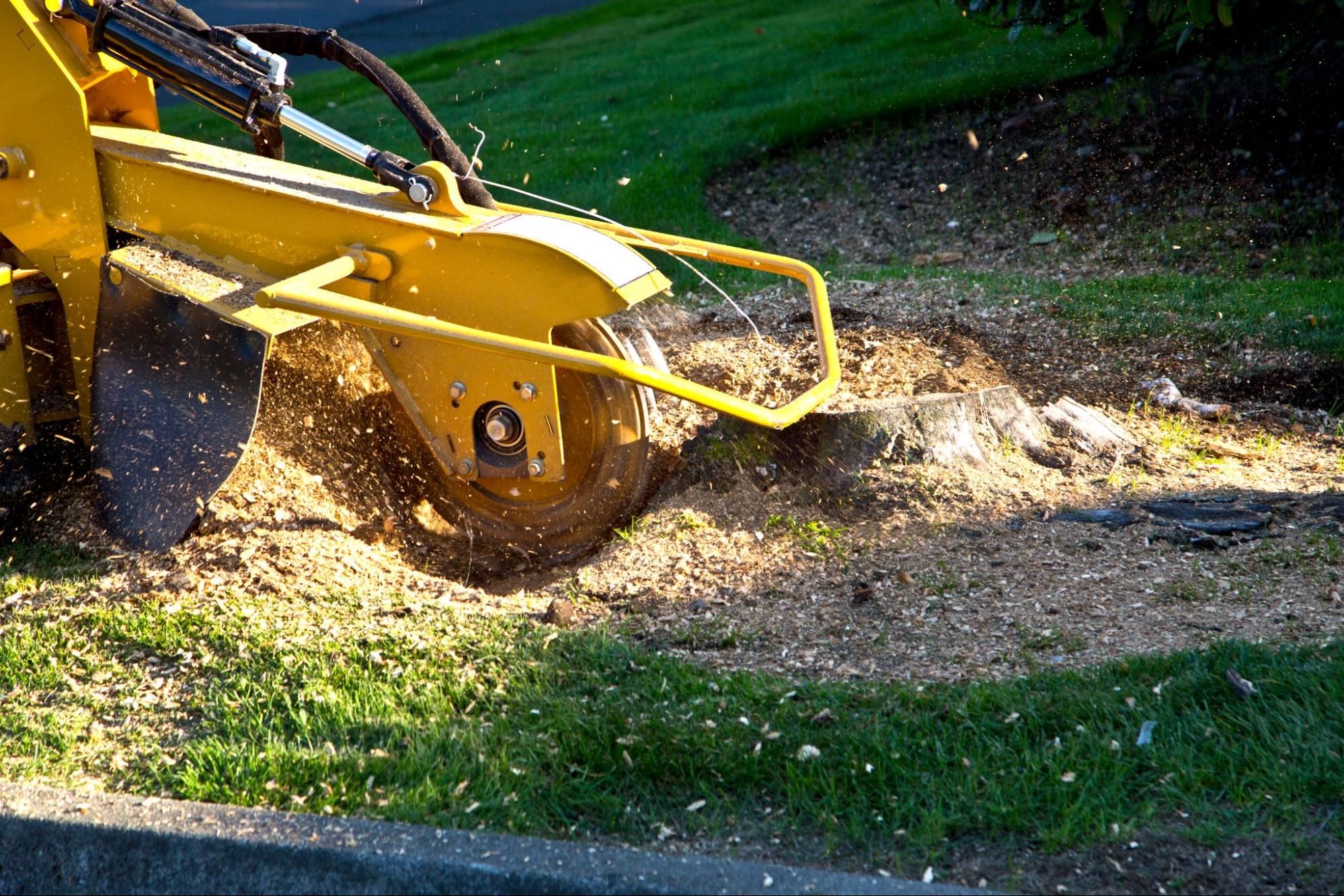
Grinding solves the problem the same day. Our expert team reduces the stump 4 to 12 inches below grade, depending on what you plan to do with the space, then takes down the surface roots that trip up mowers and lawn edgers. Once the grind zone is backfilled, you can lay sod, build a flower bed, pour a patio, or run a fence line through the spot.
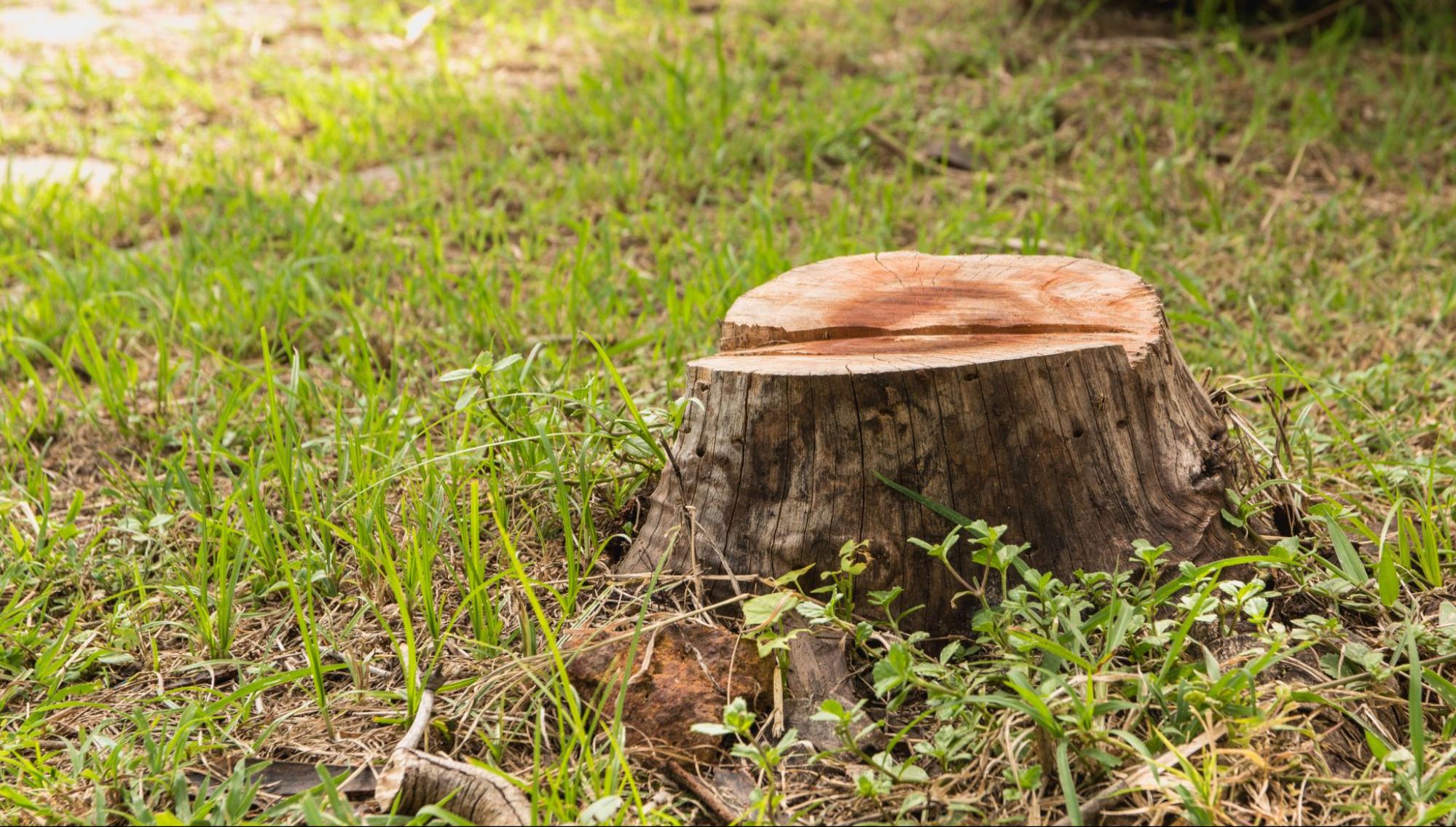
Red's Tree Service grinds stumps left behind by our own removals and stumps left behind by other tree service professionals. Some of our calls come from clients who hired someone else, watched the tree come down, and then discovered the stump was never part of the deal. We'll measure it, price it, and grind it, whether we felled the tree or not.
What you get back is a yard you can actually use:
- Usable space where a knee-high obstacle used to sit
- Safer walkways and lawn areas for kids, guests, and mower blades
- No regrowth from suckering species like sweetgum, hackberry, and Bradford pear
- Fewer pest and fungus problems near the house
Our family owned and operated business has been providing quality tree services for over 40 years, and stump work is one of the most common requests we get from Memphis homeowners after a removal or a storm.
Stump Grinding vs. Full Stump Removal: Which Method Is Right?
Both methods get rid of the stump. They do it very differently, and the right choice usually comes down to what you plan to build or plant in that spot. For a deeper side-by-side comparison, see our full guide on when to grind and when to remove.
Stump grinding puts a rotating cutting wheel with carbide teeth against the wood and shaves it away in layers. The stump becomes a pile of coarse mulch. Your lawn stays largely intact because the machine works from above, not by digging. Grinding costs less than extraction in nearly every case, and it's fast. Most residential stumps are finished before lunch.
Full extraction is a different job entirely. Heavy equipment pulls the stump and the major root plate out of the ground as one mass. That leaves a wide, deep hole that needs fill dirt and compaction, plus heavier equipment traffic across your yard. It costs more and takes longer. Sometimes it's the only correct answer.
Choose full extraction when:
- A pool, foundation, addition, or slab is going in over the stump location
- A fence line or retaining wall runs directly through the root plate
- You want to plant a new tree in the exact same hole
- A contractor requires clear soil to a specified depth before excavation
Choose grinding when:
- You're restoring lawn, sod, or a flower bed
- The stump sits in a tight backyard, behind a gate, or between structures
- You want the lowest-impact option with the least soil disturbance
- Cost and speed matter more than clearing the entire root system
What about chemical removers and burning?
Chemical stump removers, usually potassium nitrate poured into drilled holes, work slowly and unpredictably. You're looking at many months of waiting, followed by a soft, spongy stump you still have to dig out. Rain dilutes the product. Hardwoods resist it. Results vary wildly from stump to stump.
Burning is worse. Open burning is regulated in Shelby County and inside Memphis city limits, requiring permits from the local fire department, and a smoldering root system can carry fire underground toward mulch beds, decks, and gas lines. Our certified arborist does not recommend either approach for residential property, and neither method is appropriate near foundations, septic fields, or buried utilities.
If you're not sure which method your project calls for, our trained crew will walk the site with you and explain the trade-offs before you commit to anything.
How Much Does Stump Removal Cost in Memphis?
Stump removal in Memphis is priced by stump size, not by the hour. Most tree service professionals charge per stump or per inch of diameter measured across the widest point of the grind, then adjust for root flare, wood hardness, access, and cleanup. Red's Tree Service provides free written quotes on site.
Two stumps that look the same from the driveway can price out very differently once someone measures them. Here's what actually moves the number.
| Cost factor | Why it affects your price |
|---|---|
| Diameter at grind height | Every extra inch across means more wood to chip and more time on the machine |
| Root flare spread | Wide buttress roots and surface roots extend the grind zone well past the trunk |
| Wood species and hardness | Seasoned oak, hickory, and elm grind slower than pine, poplar, or sweetgum |
| Access to the stump | Backyard gates, narrow side yards, steep slopes, and soft ground all add labor |
| Grind depth needed | A stump under future sod needs less depth than one under a patio or fence post |
| Cleanup preference | Leaving mulch on site costs less than hauling chips off the property |
A few other line items come up often enough to mention up front. Buried debris, old field rock, concrete fill, and brick can chip or break grinder teeth, so hidden material sometimes changes the scope. Stumps sitting near marked gas, water, irrigation, or cable lines may require careful hand-digging around the utility before the machine goes to work. Sod repair, topsoil, and seeding are optional add-ons, priced separately so you only pay for what you want.
Grinding several stumps in one visit lowers the per-stump price, since setup and travel get spread across the whole job. The same goes for bundling stump work with a tree removal. If we're already on your property with the crew and equipment, adding the stump is far more economical than scheduling a separate trip later.
We give every client a written on-site free quote before work begins. A measured, in-person assessment is the only honest way to price stump work, because nobody can see root flare, soil conditions, or access problems over the phone. That written number is what you pay. No surprise fees after the grinder shuts off.
Ready for a real number? Contact our tree specialists at 901-848-5323 for a free quote on your stump.
Our Stump Grinding Process, Step by Step
Our stump grinding process follows five steps: a free on-site assessment, a Tennessee 811 utility locate, site protection for windows and siding, grinding the stump four to twelve inches below grade, and thorough cleanup with mulch backfill or haul-off. Most residential stumps take 30 minutes to a few hours.
Here's what that looks like on your property.
- Free on-site assessment and measurement. A trained crew member measures the stump across its widest point, checks root flare, notes wood species, and looks at how we'll get equipment to the work area. You'll get a written free quote and a clear explanation of the grind depth we recommend for your plans, whether that's new sod, a bed, or a fence line.
- Utility locate and marking. We call Tennessee 811 before we grind. Locators mark gas, water, electric, and communication lines, and we ask you to point out anything private that 811 won't catch, including irrigation heads, low-voltage lighting wire, invisible pet fence, and septic components. Grinding blind is how yards get expensive.
- Site protection. Grinders throw chips with real force. Our expert team sets plywood, mats, and debris shields to protect windows, siding, brick, HVAC units, vehicles, fences, and nearby plantings. On soft or irrigated turf, we lay mats to spread equipment weight and limit ruts.
- Grinding below grade. The cutting wheel works across the stump in passes, dropping deeper each time until we reach the target depth of 4 to 12 inches below the soil line. We follow visible surface roots outward and grind them down too, since those are the roots that snag mower decks and lift sod. Depth depends on your plans: turf needs less, hardscape needs more.
- Thorough cleanup and backfill. We rake the grind zone, remove excess chips, and either backfill with the mulch, backfill with topsoil, or haul the material off entirely, whichever you chose during the assessment. Optional topsoil and seed finish the spot so it blends into the surrounding lawn.
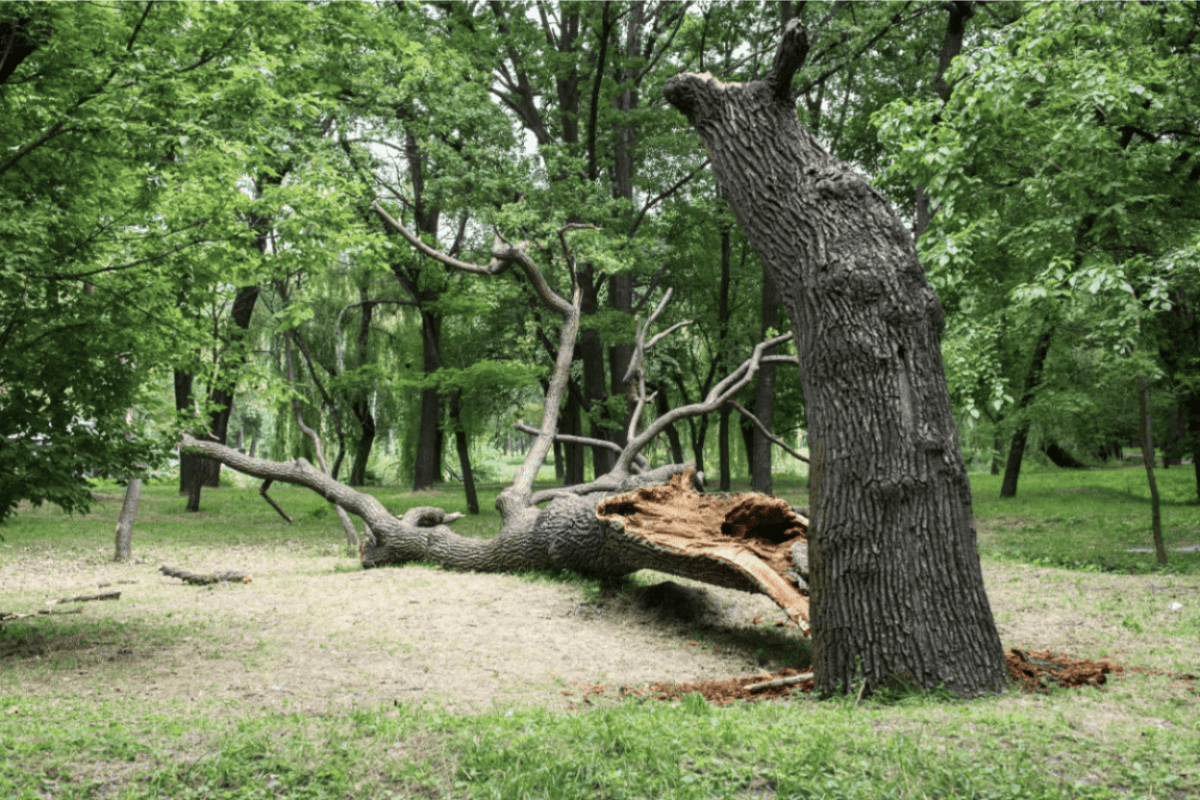
Timing varies with size and hardness. A 12-inch pine stump in an open front yard can be done in half an hour. A mature water oak with a four-foot root flare in a fenced backyard is a longer afternoon. Our extensive employee training program covers grinder operation, utility awareness, and site protection, because the difference between a clean grind and a damaged sprinkler system is almost always the operator.
What Happens to the Stump Hole, Roots and Wood Chips
Grinding produces a surprising volume of material. One stump can generate a mound of chips several times larger than the stump appeared to be, because the wood expands as it's shredded. You have options for all of it.
- Keep the grindings as mulch. Many clients spread them in beds, along fence lines, or around trees elsewhere on the property. It's free mulch, already on site.
- Backfill the grind zone. Chips settle over time, so a chip-filled hole will sink noticeably during the first year.
- Haul it away. Say the word during your assessment and we'll load the material out and leave clean soil.
Backfill with topsoil, not chips, if you plan to grow anything. Fresh wood chips pull nitrogen from surrounding soil as microbes break them down, which starves grass seed and new plantings of the nutrient they need most. Grass planted directly into wood chips comes in thin, patchy, and yellow. Mix in topsoil, or better yet, remove most of the chips and fill with soil before you seed or sod.
The lateral roots left underground are not a problem. They decay naturally over several years as soil organisms break them down, and a properly ground stump will not resprout, because the grinder destroys the cambium layer and dormant buds that produce suckers. That's a meaningful difference from simply cutting a stump flush, which leaves suckering species free to send up dozens of shoots.
Planting a new tree in the same area takes a little planning. Offset the new tree 3 to 5 feet from the old stump location so the young root system isn't fighting through decaying wood and nitrogen-poor soil. If you're set on the exact same spot, the grind zone needs to be excavated and replaced with quality soil. Our certified arborist can advise on species selection and spacing so your replacement tree gets a fair start.
Risks of Leaving a Stump in Your Memphis Yard
Stumps aren't just an eyesore. They create real, documented problems that get more expensive the longer they sit.
- Trip hazards and mower damage. A stump hidden in tall grass or ground cover catches feet, bike tires, and mower blades. Rental property owners, HOA-managed communities, apartment complexes, and commercial property managers in Memphis carry genuine liability exposure when a known hazard stays in a walking area.
- Termites and carpenter ants. Decaying stump wood is prime habitat. Subterranean termites are active throughout the Mid-South, and a colony that establishes itself in a stump near your foundation has a short trip to your framing, deck posts, and door frames. Removing the food source removes the invitation.
- Fungal disease spread. Shelf fungi and mushrooms fruiting on a stump signal active wood decay. Armillaria root rot, which lives in dead root systems, can move through soil contact to nearby healthy trees and shrubs. A rotting stump can act as a reservoir for pathogens on your property.
- Suckering regrowth. Sweetgum, silver maple, hackberry, Bradford pear, and mimosa stumps fight back. Cut them flush and they push out clusters of shoots season after season, turning one dead tree into a thicket that demands ongoing cutting. Grinding ends the cycle.
- Property value and code issues. Stumps show up in appraisal notes and inspection reports, and they're often the first thing buyers notice about a yard. HOAs and code enforcement can issue notices for neglected stumps, especially ones with visible decay or regrowth.
Handling a stump early is the cheapest version of the job. Waiting means pest treatment, sucker removal, or a liability claim on top of the grinding you were going to pay for anyway. It's one of those small jobs that can save you time and catastrophe.
Memphis Tree Stump Removal Methods Compared: Cost, Time and Yard Impact
| Method | Typical timeline | Yard disruption | Ready to replant | Relative cost |
|---|---|---|---|---|
| Professional grinding | Same day, usually under a few hours | Low, limited to the grind zone | Immediately after backfill | Moderate |
| Full extraction | Same day, but longer with heavy equipment | High, large hole plus equipment tracks | After fill dirt and compaction | Highest |
| Chemical rotting agents | 6 to 12 months, often longer on hardwoods | Low, but stump remains the whole time | Only after manual digging | Low upfront, high in labor |
| Natural decay | 5 to 10 or more years in Mid-South soil | None, though pests and fungus increase | Not practical | None, plus ongoing risk |
Method matters more when the stump sits near something sensitive. Grinding is the safer option close to foundations, septic drain fields, buried utilities, and hardscape, because the work stays above and just below the soil line instead of ripping out a root plate that may be intertwined with pipe or footing. Full extraction near a foundation or septic field should only happen after a careful assessment, and chemical or burning methods have no place in either location.
For the great majority of Memphis homeowners, professional grinding is the right call. It's fast, it's predictable, it leaves your lawn intact, and it lets you use the space the same week. Save full extraction for construction projects and situations where the entire root mass genuinely has to come out.
Memphis Stump Removal FAQs
How long does stump grinding take, and how deep do you grind?
Most residential stumps take 30 minutes to a few hours, depending on diameter, wood hardness, and access. We typically grind 4 to 12 inches below grade. Shallower depth works fine under new sod, while a deeper grind makes sense if you're installing a patio, driveway extension, or fence post in that spot.
Will the stump grow back after grinding?
No. Grinding destroys the cambium layer and the dormant buds that produce sucker shoots, so a properly ground stump won't resprout. This is a real advantage over cutting a stump flush, since species like sweetgum, silver maple, hackberry, and Bradford pear will send up shoots for years if the stump is left in place.
Do you remove surface roots too?
Yes, we grind down visible surface roots radiating from the stump as part of the job. Those roots cause most of the mower and trimmer damage homeowners deal with after a removal. Deep lateral roots stay in the ground and decay naturally over the following years without resprouting.
Do you clean up the wood chips, and can I keep the mulch?
Both options are yours. Our expert team performs a thorough cleanup and will either leave the grindings on site as mulch, backfill the grind zone with them, or haul the material off your property. Just tell us your preference during the assessment so we can price and plan accordingly.
Can you grind a stump in a tight backyard or behind a fence?
Usually, yes. We match equipment size to your access, and compact grinders fit through standard gates and narrow side yards. During the free on-site assessment we measure gate widths, note slope and soft ground, and confirm the approach before scheduling. If a gate panel needs to come off temporarily, we'll discuss that with you first.
Do you handle stumps left behind by another tree company?
We do this all the time. Plenty of clients call Red's Tree Service after another crew removed a tree and left the stump, either because it wasn't in their contract or because they lacked the equipment. We'll measure it, quote it, and grind it out, no matter who cut the tree down.
Is stump removal covered by homeowners insurance after a storm?
It depends on your policy and what the fallen tree damaged. Coverage often applies when a tree strikes an insured structure, and it's frequently limited or excluded when the tree simply falls in the yard. Check with your carrier, and ask specifically whether stump grinding is included or treated as a separate landscaping expense.
Related Tree Care Services & Memphis Homeowner Resources
Stump work rarely stands alone. Most of our clients pair it with one or more of these services:
- Tree removal for hazardous, dead, or poorly placed trees, with stump grinding bundled into the same visit
- Tree trimming and pruning to restore canopy shape, clear structures, and remove deadwood
- Storm damage cleanup, including broken and fallen limbs, with 24-hour emergency call availability
- Deep root fertilization, the preferred and most effective method to feed established trees
- Cabling and bracing for stabilization of weak or damaged trunks and limbs
- Tree risk assessment by our trained and certified arborist to evaluate the trees still standing on your property
Two resources worth bookmarking as a Memphis property owner: the City of Memphis and Shelby County tree ordinance, which governs protected trees and right-of-way plantings, and Tennessee 811, the free utility locate service you should contact before any digging or grinding project on your property.
Season matters more than people think. Winter is an excellent time for stump grinding across the Mid-South, since dormant turf recovers well, soil is firm enough to limit rutting, and schedules open up after the fall storm rush. Post-storm stump cleanup is its own category, and we handle plenty of it every spring and summer. Red's Tree Service is an ISA member, a member of the Southern Chapter of Urban Forestry, affiliated with the Tennessee Urban Forestry Council, and BBB accredited, and our extensive employee training program keeps our crews current on safe equipment operation and proper tree care practice.
Get a Free Stump Removal Estimate in Memphis
Send us the stump and we'll send out a trained crew member for a free, no-obligation on-site assessment. You'll get an accurate measurement, a written free quote, and a straight answer about grind depth, cleanup options, and what the spot will look like when we're done. No pressure, no surprise fees.
Red's Tree Service is a locally owned and operated tree service company serving Memphis and the Mid South. Our crews are licensed and insured, our work is overseen by a trained and certified arborist, and we've been providing quality tree services to this community for decades. We cover Memphis, Bartlett, Cordova, Collierville, Germantown, Arlington, and communities across greater Memphis and Shelby County. A portfolio of completed work is available on request.
Call 901-848-5323 to speak with our tree specialists, or request your free quote online at https://redstreeservice.com/contact. You'll find our office at 2069 Thomas Rd., Memphis, TN 38134.
Let's clear that stump, beautify your yard, and give you peace of mind that your property is safe.